

Comprehensive Health Testing in the UK: Blood Test Booking and What Your Glucose Results Mean
If you've ever wondered which health services offer comprehensive tests for optimal health in the UK, you're not alone, and the answer isn't straightforward. A GP checks your cholesterol, your thyroid, maybe your vitamin D, and sends you on your way. But a standard NHS panel and a genuinely comprehensive picture of your physiological health are two different things, and the gap between them is where a lot of unanswered questions live.
Your options sit across the NHS, private health clinics, university sports science labs, and functional health practitioners, and nobody hands you a map. This article is that map: a calm, practical guide to what each route covers, what it costs, how blood test booking actually works, and how to turn results, glucose readings included, into something you can actually use.
What does "optimal health" actually mean?
Just because your GP says everything looks normal doesn't necessarily mean you're functioning at your best.
Many people experience symptoms such as fatigue, brain fog, poor recovery, digestive issues or low mood despite having routine blood tests that fall within normal ranges.
Optimal health is about understanding how well your body is functioning, not simply whether disease is present. It looks at areas such as energy production, blood sugar regulation, nutrient status, hormone balance and recovery capacity, to identify opportunities for improvement before problems become more significant.
The key health checks that help explain how you're really feeling
A comprehensive health assessment draws from several distinct categories.
Blood panels should cover a full blood count, comprehensive metabolic panel, HbA1c, and lipids including ApoB. Fasting insulin and cortisol are relevant markers within a broader functional picture, though these aren't routinely ordered by GPs unless there's a clinical indication, availability on the NHS is conditional on clinical justification.
Hormone profiles need to go beyond basic thyroid TSH to include sex hormones where relevant.
Micronutrient markers such as vitamin D, ferritin, B12, and magnesium reveal whether your body has the raw material to function properly.
Inflammation markers, specifically hs-CRP and homocysteine, show whether low-grade systemic stress is affecting recovery and cardiovascular health.
Lung function via spirometry, body composition, and, for those pursuing performance, VO2 max and lactate threshold testing round out the picture. Together, these tests help answer questions including:
- Why am I tired?
- Is my blood sugar stable?
- Am I getting the nutrients I need?
- Could stress be affecting my health?
- Is my current lifestyle supporting my goals?
Understanding Your Glucose Test Results
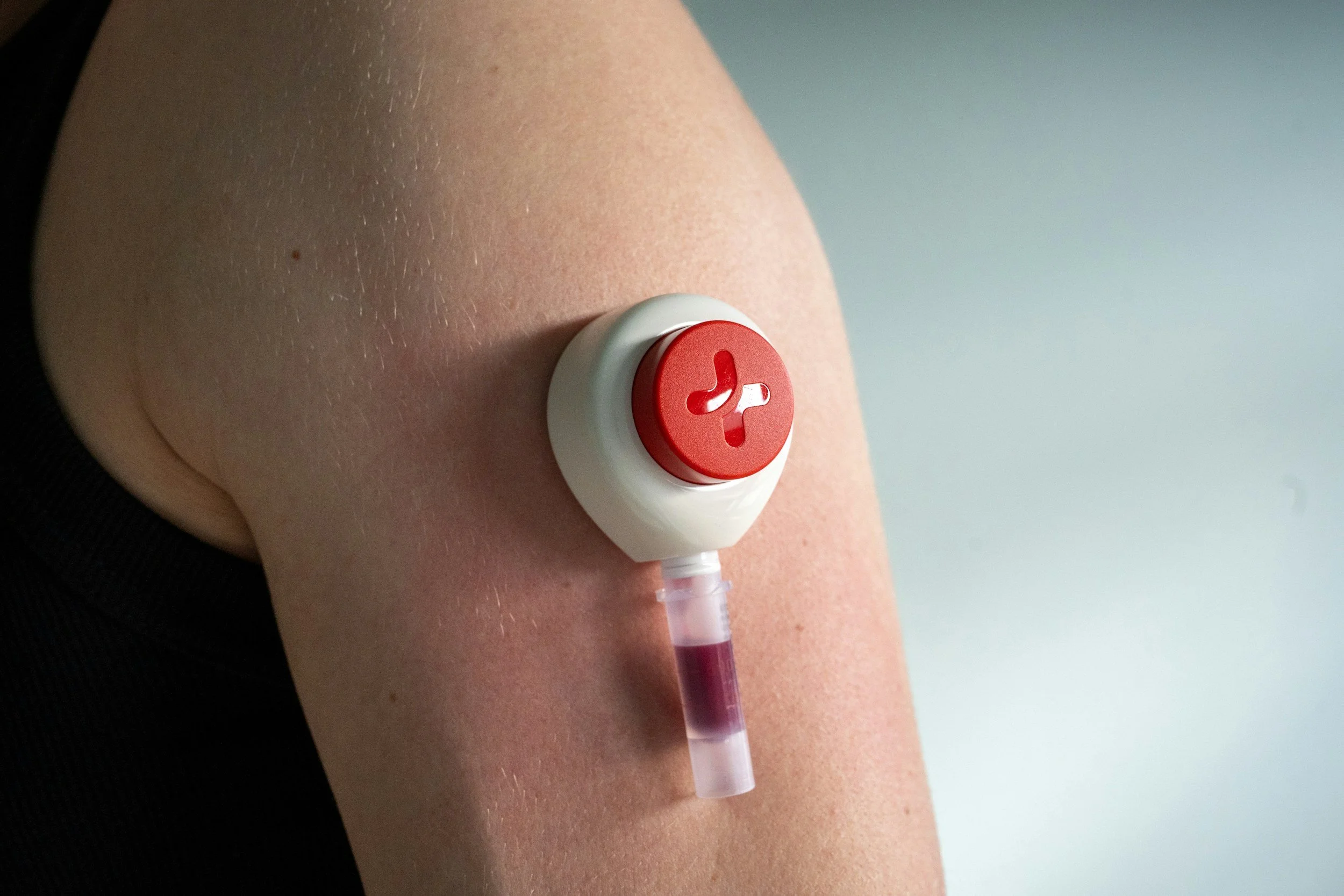
Blood sugar comes up constantly in this article, so it's worth pausing here. If you've been sent away with a number and no explanation, or you've searched "glucose test normal," "glucose test after eating," "glucose tolerance test results," or "glucose test non fasting" trying to work out what it actually means, here's the plain-English version.
What Counts as a Normal Glucose Test Result
As a general guide, a fasting glucose reading below 6.0 mmol/L is typically considered normal, 6.1-6.9 mmol/L sits in the pre-diabetes range, and 7.0 mmol/L or above on two separate occasions is generally used to flag diabetes. Reference ranges vary slightly between labs, and what counts as a glucose test normal result should always be interpreted by whoever ordered it, alongside your symptoms and history, not read in isolation.
Fasting vs a Non-Fasting Glucose Test
A fasting glucose test requires 8-12 hours without food beforehand (water is fine), and reflects your baseline glucose regulation with nothing recent to interfere with it. A glucose test non fasting, sometimes called a random glucose test, can be taken any time and needs no preparation. It's a useful quick screen, generally under 11.1 mmol/L without symptoms is considered within normal range, but it's a snapshot rather than a controlled reading, so it's less precise for diagnosis than a fasting or tolerance test.
What a Glucose Test After Eating Actually Shows
A glucose test after eating, known as a postprandial reading, shows how efficiently your body clears glucose from a meal, in other words, your metabolic flexibility. It's usually measured one to two hours after eating, and a healthy response returns close to baseline within that window.
This is worth knowing because post-meal glucose is often one of the earliest signs of declining insulin sensitivity, and it can show up years before a fasting glucose or HbA1c result flags anything. It's part of why some functional practitioners now use continuous glucose monitors alongside standard testing, to see the full pattern rather than a single point in time.
How to Read Glucose Tolerance Test Results
An oral glucose tolerance test (OGTT) involves drinking a standardised glucose solution, with blood drawn fasting and then again at two hours. It's commonly used to screen for gestational diabetes in pregnancy, or when fasting glucose or HbA1c results sit in a borderline range.
As a general guide, glucose tolerance test results below 7.8 mmol/L at the two-hour mark are considered normal, 7.8-11.0 mmol/L indicates impaired glucose tolerance, and 11.1 mmol/L or above sits in the diabetes range. As with every marker in this article, these numbers are one input for your GP or practitioner to interpret, not a self-diagnosis tool.
None of these readings exist in isolation. A single glucose test, fasting or not, is only ever one piece of a bigger picture, which is exactly why the rest of this article covers where to get a fuller one.
Where Can You Get Comprehensive Health Testing in the UK?
GP Referrals, Blood Panels, and Diagnostic Tests
A GP can realistically order a full blood count, metabolic panel, thyroid function, lipids, fasting glucose, and vitamin D when there's a clinical reason to request them. NHS physiological diagnostics go further in specialist departments: spirometry, lung function testing including FEV1 and FVC, and cardiopulmonary exercise assessments exist across NHS respiratory physiology and cardiopulmonary departments at hospital trusts. Services at Sherwood Forest Hospitals, Sandwell and West Birmingham NHS Trust, and community diagnostic centres in areas such as Cornwall all offer formal respiratory physiology testing, including full lung function panels and exercise assessments closest in scope to CPET-style testing.
Access is referral-based across all of these services. A GP or specialist makes the referral, the department carries out the testing, and results go back to the referring clinician. NHS England has a national ambition of under six weeks for most diagnostics, though actual waiting times vary by trust and test type.
Where NHS Testing Ends
Be honest about the gaps: hormone profiles beyond basic thyroid, gut microbiome assessments, micronutrient panels beyond a standard B12 or vitamin D, and detailed metabolic testing are rarely available on the NHS without a specific clinical indication. If your symptoms don't meet the threshold for a referral, the NHS pathway effectively stops. You're not unwell enough to investigate, but you're also not thriving. That's where private and functional testing becomes genuinely useful.
Private and Performance Testing Routes
Private Health Assessment Packages: What's Included and What It Costs
The main UK private health check providers offer tiered packages that vary significantly in depth. Bupa's Be.Ahead package (£1,119 as of 2026) includes fitness testing, body composition, metabolic checks, and blood panels covering HbA1c and cholesterol. HCA Healthcare's reAssure packages range from £385 to £1,120 and include up to 45 tests across blood screening, ECG, lung function, and BMI. Nuffield Health's 360 Assessment (£869) covers common health markers including diabetes and cholesterol risk. These are solid executive health checks, but most don't include exercise physiology measures like VO2 max or lactate profiling, those tend to be available only through specialist sports performance clinics or bespoke top-tier packages. Verify current pricing and test inclusions directly with each provider, as these change.
For a broader functional picture, these packages are a solid foundation, not a complete answer. They're best suited to people wanting a supervised clinical snapshot with bloods, vitals, and cardiovascular risk markers in one appointment.
University Sports Science Labs for Performance-Level Testing
University sports science facilities, including labs associated with institutions such as Loughborough, Exeter, Manchester, Bath, and Salford, sometimes accept public bookings for performance physiology testing, though access policies and test menus vary between institutions and change over time. Where available, tests can include VO2 max, lactate threshold, resting metabolic rate, body composition via DEXA, and Wingate anaerobic power testing. For active people who want a performance-focused physiological picture rather than a standard clinical health check, this route is worth exploring. Check directly with each lab to confirm what's available and whether public access is currently offered.
Functional Testing for Hormones, Gut Health, and Advanced Blood Work
UK home-test providers including Medichecks, Forth, Blue Horizon, and LetsGetChecked offer blood panels processed through UKAS-accredited or CQC-registered laboratories. When sample collection is done correctly, analytical quality is comparable to clinic-based testing, the main variable is collection technique, not the lab method itself, though some analytes can show more variability with finger-prick samples. Forth offers panels from around £40; broader functional panels covering thyroid, hormones, and micronutrients typically run £80-£200. These are a practical, lower-cost entry point for blood biomarkers, particularly if you're building a picture of your baseline before committing to a full private assessment.
Hormone Profiles and Gut Assessments
A full hormone profile goes well beyond standard thyroid testing. Cortisol is often assessed through a four-point saliva or urine test to capture how levels shift across the day, alongside sex hormones and adrenal markers where relevant. Gut assessments sit in a separate category: comprehensive stool analysis tests, available through functional practitioners and specialist labs, look at microbiome diversity, inflammation markers such as calprotectin, digestive enzyme function, and pathogen presence. These aren't typically available through standard NHS or private health check packages. They're the territory of functional health practitioners and specialist labs such as the Functional Gut Clinic, and they're most relevant for people with persistent digestive symptoms who haven't found answers through conventional routes.
Blood Test Booking: Your Options at a Glance
If you're trying to sort out blood test booking, or specifically blood test online booking, without waiting months through the NHS, here's how each route actually works in practice.
- NHS. Booked through your GP practice, by phone, via the NHS App, or through a surgery's own online booking system where one exists. Free, but requires clinical justification, and waiting times vary by trust.
- Private clinic. Booked directly through the provider's website or by phone, usually with same or next-week availability. You attend in person and a phlebotomist takes the sample.
- Home kit (blood test online booking). The fastest and most flexible option if you don't need a clinical referral. You order and book entirely online, the kit arrives by post, you either self-collect or book an at-home phlebotomist visit for an extra fee, and results typically land in your account within two to five days. The trade-off is that correct sample collection, and interpreting what comes back, sits with you or your practitioner rather than a clinician in the room.

Choosing the Right Route Based on Your Symptoms and Goals
If your main concern is low energy, poor sleep, or suspected metabolic issues, prioritise a comprehensive blood panel covering thyroid, fasting insulin (where clinically accessible), ferritin, B12, and vitamin D. This is achievable through a GP referral if there's clinical justification, or through a home-test kit from a reputable UK provider at a reasonable cost. It's the most direct starting point for understanding what's driving how you feel, and it's where a glucose test, fasting or after eating, tends to earn its place.
If your concern is digestive discomfort, bloating, or gut-related symptoms, a functional gut assessment from a private specialist lab or practitioner is likely more useful than a standard private health check package. Standard packages don't reach this territory, and symptoms such as chronic bloating or IBS-type patterns need microbiome and functional digestive data, not just blood markers.
If you're active and want a performance-based physiological picture, a university sports science lab or a top-tier private package with a specific performance focus gives you the exercise physiology data worth having: VO2 max, lactate threshold, body composition, and metabolic measures that standard health checks rarely include. Confirm directly with providers that these specific tests are included before booking, as availability varies.
The One Thing All Three Routes Have in Common
All routes produce data, and data on its own doesn't change your health. The value comes from what you do with it. A report sitting in your inbox with a flagged ferritin, a borderline glucose tolerance test result, or a suppressed thyroid tells you something is off, it doesn't tell you what to eat for breakfast on Monday. That's the gap most testing services leave open.
Bridging the Gap Between Test Results and Real Dietary Change
Why Most People Leave Testing With No Actionable Plan
A private clinic or GP hands you a report. It might flag a low ferritin, an elevated hs-CRP, poor insulin sensitivity, or a sluggish thyroid. These are meaningful findings. But clinicians diagnose and treat, they may not always have the time or remit to build a detailed dietary strategy around your full results picture. You leave the appointment knowing something, but not necessarily knowing what to do about it in practical, daily terms.
This is a genuine problem, and it's worth naming. Testing without interpretation and a food-first action plan is an incomplete process. The markers mean something. What changes in your diet, your meal timing, your protein intake, your gut-supporting foods, as a result? That's the work that actually moves the needle.
How a BANT Registered Nutritionist Works With Your Test Data
A BANT Registered Nutritionist is trained to read blood panels, hormone profiles, and gut assessments and translate them into a personalised nutrition plan built around your specific physiology, not a generic protocol. BANT's scope of practice covers precisely this kind of results-led, food-first work. At Alison Diss Nutrition, that means using your results, glucose readings included, alongside your lifestyle, stress load, and health goals to build a strategy that addresses root causes rather than surface symptoms. Whether your results show micronutrient gaps, metabolic sluggishness, or inflammatory patterns, the approach stays consistent: identify what's driving the issue, and change what you eat in a way that fits sustainably within your actual life.
Putting It All Together
Now you know which health services offer comprehensive tests for balanced physiology in the UK, how blood test booking works across NHS, private, and online routes, and what a glucose test, fasting, non-fasting, or after eating, actually tells you. The NHS provides a clinical baseline, private packages add body composition, lung function, and cardiovascular risk markers, and functional testing fills in the hormonal, gut, and micronutrient detail that standard checks rarely reach. Most people find they need a combination rather than any single service.
Health isn't built through one big decision, it's built through the small choices we make every single day, and that includes what you actually do with a result once you have it. Working out which lane fits your symptoms is the first step. Acting on what you find is the second, and that's where the right support makes the difference between results that sit in a folder and results that actually change how you feel.
If you've already had testing done, or you're planning to, a free 30-minute discovery consultation is a practical next step. You don't need a perfect set of results before starting, you need a clear plan for what to do with what you find.