

Brain Fog: Symptoms, Causes, and How to Actually Clear It
You reread the same email three times and still can't tell what it says. You walk into a room and forget why. By 11am you're already on your second coffee just to string a sentence together in a meeting, and it's not because you didn't sleep.
That's brain fog, and it's one of the most common things I hear from the professionals I work with. Not laziness, not a lack of discipline, a body and brain that aren't getting what they need to function.
If you've been Googling any of these at 11pm, this post is for you:
• "brain fog symptoms"
• "brain fog causes"
• "brain fog meaning"
• "brain fog in perimenopause"
• "brain fog in menopause"
• "brain fog test"
Here's what brain fog actually means, why it shows up, why it's especially common in perimenopause and menopause, whether testing is worth it, and the food-first way to start clearing it.

What Does Brain Fog Actually Mean?
Brain fog isn't a medical diagnosis, it's a real, physiological cluster of symptoms with a physiological cause. Your brain accounts for only 2% of your body weight, yet it consumes around 20% of your daily energy. Every meeting, workout, decision and creative task depends on a constant supply of nutrients.
When your brain isn't getting what it needs, brain fog is what shows up. That's the brain fog meaning worth holding onto: it's your brain telling you something is missing, not a personality trait or a sign you're not trying hard enough.
Brain Fog Symptoms: What It Actually Feels Like
Brain fog looks different from person to person, but the pattern is usually familiar:
• Struggling to concentrate, especially by mid-morning or mid-afternoon
• Forgetting words mid-sentence, or losing your train of thought
• Needing to reread the same paragraph or email several times
• Mental fatigue that sleep doesn't seem to fix
• Feeling like you're thinking through fog or wading through mud
• Low motivation, even for things you'd normally want to do
• Slower processing speed, especially under pressure
If two or three of these sound familiar, keep reading, because the causes are more addressable than most people assume.

What Causes Brain Fog
There isn't one single cause. In most people I work with, brain fog causes stack, it's a combination of these five.
Unstable blood sugar
Your brain relies almost entirely on glucose for fuel, but it performs best when glucose is supplied steadily rather than in spikes and crashes. A breakfast of pastries or sugary cereal gives a quick boost, then fatigue, poor concentration and cravings a few hours later.
Build every meal around:
• 25-30g of quality protein
• High-fibre carbohydrates
• Healthy fats
• Plenty of colourful vegetables
Examples: Greek yoghurt with berries, nuts and seeds. Eggs on sourdough with avocado. Salmon with quinoa and roasted vegetables. Chicken, lentils and mixed salad.
Chronic low-grade inflammation
Inflammation has been linked with reduced cognitive performance, low mood and an increased risk of cognitive decline. An anti-inflammatory eating pattern supports both immediate bra
Include regularly: oily fish (salmon, sardines, mackerel), extra virgin olive oil, berries, leafy greens, walnuts, flaxseed, and herbs like turmeric, ginger and rosemary. Reducing ultra-processed food, excess alcohol and refined sugar helps lower inflammatory load at the same time.
Neurotransmitter shortfalls
Your brain produces its own focus and mood chemicals from the nutrients you eat. Without the right building blocks, it's harder to produce and regulate them.
• Dopamine (motivation and drive) comes from tyrosine, found in eggs, chicken, turkey, fish, cottage cheese, pumpkin seeds and soy. B6, iron, folate and vitamin C are also required
• Serotonin (mood) comes from tryptophan, found in turkey, chicken, eggs, dairy, tofu, oats and seeds. Carbohydrates help tryptophan cross into the brain, which is one reason unnecessarily restrictive low-carb diets aren't suitable for everyone.
• Acetylcholine (memory and learning) needs choline, found in eggs, liver, fish and soybeans.
A disrupted gut-brain axis
Your gut and brain are in constant communication. A healthy microbiome produces compounds that influence inflammation, neurotransmitter production and cognitive function. Support it with natural yoghurt, kefir, sauerkraut, kimchi, fibre-rich vegetables, oats, beans, lentils and berries.
Nutritional deficiencies
Sometimes brain fog isn't stress at all. Low levels of B12, iron, vitamin D, magnesium, zinc or omega-3s can each contribute on their own. Rather than guessing, identifying deficiencies through appropriate testing lets supplementation be targeted to you specifically.
Brain Fog in Perimenopause and Menopause
Estrogen doesn't just regulate your cycle. It plays a direct role in how your brain uses glucose, produces neurotransmitters and processes memory. As estrogen fluctuates and then declines through perimenopause and menopause, many women notice brain fog for the first time, along with word-finding trouble, more forgetfulness and a slower mental gear change than they're used to.
This isn't "just" hormones and it isn't in your head. Declining estrogen is associated with reduced glucose uptake in the areas of the brain responsible for memory and executive function, which is one reason blood sugar stability matters even more during perimenopause and menopause, not less.
Disrupted sleep from night sweats or hot flushes compounds it further. A brain that isn't sleeping well can't clear its own metabolic waste as efficiently, and that shows up the next day as fog.
Every principle in this post, stable blood sugar, enough B vitamins and choline, omega-3s, and a well-supported gut, matters even more here. If brain fog has crept in during perimenopause or menopause, it's worth working with a practitioner who looks at your hormones alongside your diet, not one in isolation from the other.
Do You Need a Brain Fog Test?
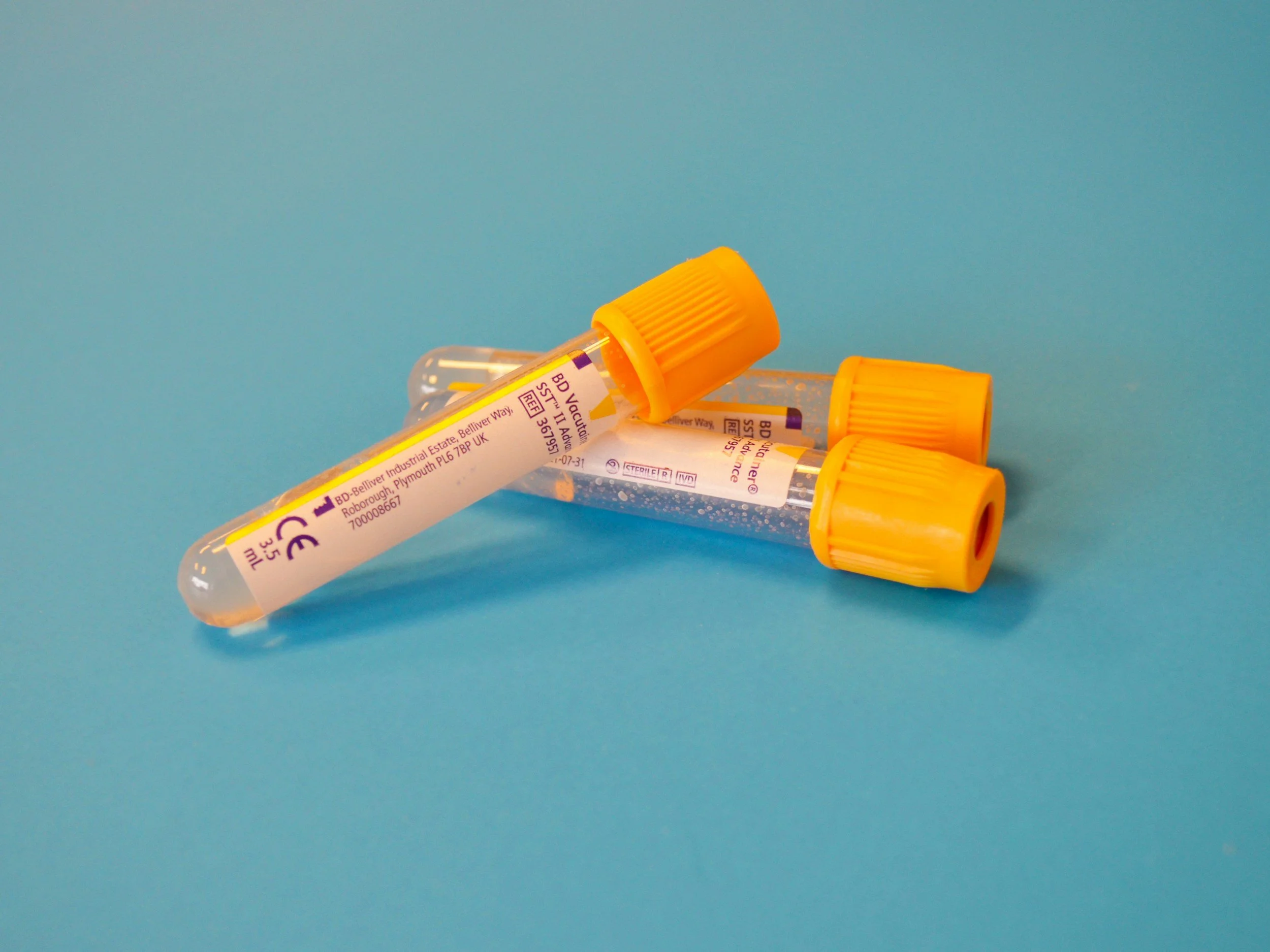
Brain fog itself isn't something you test directly, it's a symptom, not a diagnosis. But the drivers behind it usually are testable, and guessing is the slow way to fix this.
Worth asking your GP or practitioner about:
• Vitamin B12 and folate
• Ferritin (iron stores, not just haemoglobin)
• Vitamin D
• A thyroid panel (TSH, and ideally free T3/T4)
• Fasting glucose or HbA1c
• For perimenopausal and menopausal women, a hormone panel, though levels fluctuate enough in perimenopause that timing and interpretation matter
A brain fog test, in other words, usually means several tests, not one, read against your actual symptoms and lifestyle, not just a reference range. That's the piece that gets missed with a generic panel.
brain fog test panel, B12, iron, thyroid and vitamin D
Evidence-Based Supplements for Brain Fog
Supplements should complement a nutrient-rich diet, not replace it. A few are well studied for cognitive function, stress resilience and mental performance.
• Lion's Mane Mushroom may support nerve growth factor, memory, concentration and healthy brain ageing. Research dose: 1,000-3,000mg daily of a quality fruiting body extract. Many commercial gummies contain only 200-300mg, well below studied doses.
• Ashwagandha is one of the best-researched adaptogenic herbs for stress resilience, with trials showing improvements in perceived stress, cortisol regulation, sleep quality, attention, processing speed and memory. Research dose: 300-600mg daily of a standardised root extract (≥5% withanolides, such as KSM-66® or Sensoril®). It may not be appropriate during pregnancy or with certain thyroid or autoimmune conditions, so get professional guidance first.
• Rhodiola rosea may help resilience during prolonged stress, with research on mental fatigue, attention, concentration and burnout symptoms. Research dose: 200-400mg daily of a standardised extract (roughly 3% rosavins, 1% salidroside).
• Omega-3 art of every brain cell membrane and supports communication between neurons. Research dose: 1,000-2,000mg EPA+DHA daily. Many supermarket capsules provide only around 300mg, meaning several may be needed to reach studied doses.
• Creatine monohydrate supports the brain's own energy production, with emerging evidence for cognitive performance during sleep deprivation and intense mental work. Research dose: 3-5g daily.
• L-theanine found naturally in green tea, may improve attention, increase calm focus and reduce the jittery edge of caffeine. Research dose: 200mg, particularly alongside 50-100mg caffeine.
As always, quality and dosage matter. The right supplement at the wrong dose rarely does much. I assess diet, symptoms, lifestyle and, where appropriate, functional testing before making any recommendation, because personalised nutrition consistently outperforms a one-size-fits-all protocol.
Lifestyle Habits That Support Mental Clarity
Nutrition is one piece of the puzzle. Alongside it, prioritise:
• Resistance training
• Regular cardiovascular exercise
• Morning sunlight exposure to support your circadian rhythm
• Seven to nine hours of quality sleep
• Daily movement breaks
• Stress management
• Meaningful social connection
Together, these build the environment your brain needs to actually perform.
Bringing It Home
If you're experiencing brain fog symptoms, don't assume it's simply part of a busy life or, if you're in your 40s or 50s, simply "part of menopause." Both of those things are real, and both are addressable. Health isn't built through one big decision, it's built through the small choices we make every single day: a steadier breakfast, a nutrient you've been missing, a test that finally explains what's going on.
Nutrition is personal. What clears brain fog for one person won't be identical to what clears it for you, and understanding your own physiology, hormones included, is what makes a plan actually work.
If you're doing everything "right" and still struggling with brain fog, low energy or poor concentration, the answer may lie beneath the surface.